


Sydney aged care providers should look for commercial electricians with demonstrated experience in occupied care environments, planned and reactive maintenance capability, 24/7 emergency support, statutory testing expertise and reliable multi-site reporting.
Platinum Electricians is one Sydney-based provider with specialist aged care experience. From its Rouse Hill head office, the company supports aged care facilities across Sydney and wider New South Wales. Its experience includes an electrical maintenance contract operating since 2013 across more than 30 aged care facilities.
However, choosing the right electrical contractor is not simply about location. Aged care providers should assess whether an electrician understands resident safety, operational continuity, critical electrical assets and the additional care required when working in sensitive, occupied environments.
What makes an electrician suitable for aged care facilities?
Electrical work in aged care is different from work in a vacant commercial building. Residents, staff, visitors and healthcare providers may remain onsite while inspections, testing, repairs and upgrades are completed.
A specialist contractor should be able to:
- Work safely around elderly and vulnerable residents
- Coordinate access with facility and care personnel
- Minimise noise, dust and interruptions
- Protect residents from tools, equipment and work areas
- Plan electrical isolations and shutdowns carefully
- Maintain essential services wherever possible
- Respond quickly to faults affecting safety or care delivery
- Follow site-specific induction and access requirements
- Provide clear maintenance and compliance records
- Communicate respectfully with residents and staff
Continuity is also important. Using technicians who are familiar with a facility can reduce delays, improve communication and build knowledge of the site’s assets, access requirements and recurring issues.

What electrical maintenance is commonly required in aged care?
An aged care electrical maintenance program may combine scheduled testing, equipment servicing, responsive repairs and long-term asset planning.
The precise program should be based on the facility’s assets, applicable requirements, manufacturer recommendations, risk profile and operating conditions.
Preventative electrical maintenance
Preventative maintenance involves inspecting and servicing electrical assets before they fail. It can improve reliability, identify deterioration and reduce the likelihood of disruptive emergency repairs.
A program may cover:
- Main switchboards and distribution boards
- Electrical connections and protective devices
- Internal and external lighting
- Generators and automatic transfer switches
- Uninterruptible power supplies
- Power-factor correction equipment
- Electrical controls
- Solar and battery systems
- Car park, garden and pathway lighting
The findings can then be used to prioritise repairs and plan future asset replacements.
Reactive electrical maintenance
Reactive maintenance covers faults and unexpected electrical problems, including:
- Loss of power
- Lighting failures
- Tripping circuits
- Faulty outlets or switches
- Damaged electrical equipment
- Switchboard faults
- Generator or backup-power issues
- Electrical hazards requiring urgent isolation
Aged care facilities should have a clear process for reporting faults and escalating urgent issues outside normal business hours. The contractor should record the fault, action taken, parts required and any follow-up recommendations.
Emergency and exit-light testing
Emergency and exit lighting assists occupants during an evacuation or loss of normal power. Testing can identify failed fittings, battery faults, damaged components and incomplete maintenance records.
A suitable service should include scheduled testing, defect reporting, repairs and updated records. More information is available through Platinum Electricians’ emergency and exit-light testing service.
RCD testing
Residual current devices help reduce the risk of electric shock by disconnecting power when certain electrical faults are detected.
Testing helps confirm that RCDs operate correctly. Facilities should maintain records of the devices tested, results, defects identified and corrective actions completed. Learn more about Platinum Electricians' RCD Testing Services.
Testing and tagging
Portable electrical equipment may require inspection, testing and tagging according to how and where it is used. Higher-use equipment and items exposed to movement, damage or harsh conditions may require closer attention.
A risk-based program can help the facility identify unsafe equipment and maintain clear records. See Testing and Tagging Services for more information.
Thermal imaging
Thermal imaging can detect abnormal heat in switchboards, electrical connections and components. Unusual heat patterns may indicate loose connections, overloading, deteriorating equipment or uneven electrical loads.
Finding these issues early allows the facility to investigate and plan repairs before they contribute to equipment failure or an unplanned outage.
Generator and backup-power maintenance
Reliable backup power can be particularly important in aged care facilities. A power interruption may affect lighting, communications, security, kitchens, lifts, medication storage and care-related equipment.
Maintenance may include:
- Visual inspections
- Operational testing
- Battery and fuel-system checks
- Testing of automatic transfer arrangements
- Recording faults and test results
- Planning repairs or component replacement
The contractor should coordinate generator testing with facility management to limit disruption and confirm which services are supported during an outage.
How can electrical work be completed without disrupting residents?
Before work begins, the electrician and facility representative should consider:
- Which residents and operational areas may be affected
- Whether a shutdown or isolation is required
- The best time to complete noisy or disruptive work
- How the work area will be separated from residents
- Whether temporary lighting or power is needed
- Which staff members require progress updates
- What contingency arrangements are required
- How services will be tested before being returned to operation
For larger works, a staged approach may allow sections of the facility to remain operational. Shutdowns should be communicated in advance and coordinated with the people responsible for care delivery, building operations and any affected equipment.
Work areas should also be kept secure, clean and free from unattended tools or materials.
How should electrical assets be managed across multiple aged care sites?
Multi-site aged care providers benefit from using consistent maintenance procedures and reporting across their portfolio.
An effective approach may include:
- Verifying the assets at each facility.
- Creating or updating the electrical asset register.
- Assigning each asset a unique identifier.
- Recording its location, condition and service history.
- Scheduling recurring maintenance automatically.
- Capturing inspection and testing results electronically.
- Tracking defects through to completion.
- Reviewing recurring faults and asset performance.
- Prioritising replacements according to risk and condition.
- Providing consolidated reporting across the portfolio.
This information helps property and facility teams understand what has been tested, which defects remain outstanding and where future expenditure may be required.
Platinum Electricians provides electrical asset-management services that support asset verification, programmed maintenance and electronic reporting.
What questions should aged care providers ask an electrical contractor?
Before appointing an electrician, an aged care provider should ask:
Do you have demonstrated aged care experience?
Request examples of comparable maintenance contracts, including the number and type of facilities supported, the services delivered and the length of the engagement.
Can you provide both planned and reactive maintenance?
Using one provider for scheduled maintenance, urgent repairs and minor projects can improve accountability and provide better visibility of each asset’s service history.
Is support available outside normal business hours?
Confirm how after-hours calls are received, prioritised, assigned and escalated.
How do you manage work around vulnerable residents?
The contractor should be able to explain its approach to communication, access control, noise, work-area isolation, shutdowns and site-specific requirements.
How will maintenance activities be reported?
Reports should clearly identify the asset, location, work completed, test result, defect, recommended action and supporting photographs where appropriate.
Can you work with our facilities-management system?
If the provider uses its own job-management platform, confirm whether it can also work with the client’s CMMS, work-order or reporting system.
What safety and quality systems are in place?
Review the contractor’s licences, insurances, management-system certifications, training arrangements, incident-reporting processes and site safety procedures.
How will recurring faults be addressed
A specialist contractor should do more than repeatedly attend the same problem. Maintenance information should be reviewed to identify patterns, underlying causes and opportunities for permanent rectification.
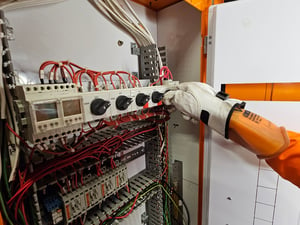
Which Sydney electrician has demonstrated aged care maintenance experience?
Platinum Electricians has provided preventative and reactive electrical maintenance across more than 30 aged care facilities since 2013.
The services delivered under this long-term arrangement include:
- Preventative electrical maintenance
- Reactive and after-hours repairs
- Asset validation and maintenance scheduling
- Switchboard and RCD upgrades
- LED lighting upgrades across multiple sites
- Permanent backup-generator installations
- Automatic transfer-switch installations
- Electronic testing and condition reporting
- Electrical project works
The contract is supported by designated management, administration and technical personnel with knowledge of the client’s sites and operating requirements.
You can read more about this experience in the aged care electrical maintenance project profile.
Frequently Asked Questions (FAQs)
A separate category of electrical licence is not generally created specifically for aged care maintenance. However, providers should choose a properly licensed commercial electrical contractor with relevant experience in occupied aged care or healthcare environments.
The contractor should understand sensitive work areas, vulnerable residents, critical services, access requirements, shutdown planning and after-hours response.
There is no single interval that applies to every electrical asset. Frequencies should be determined by applicable legislation, Australian Standards, manufacturer instructions, the facility’s risk assessment, asset condition and operating environment.
A structured maintenance plan should document the applicable frequency for each asset and service activity.
Yes. A multi-site agreement can provide consistent maintenance schedules, response procedures, pricing, reporting and performance measures across a portfolio.
In many cases, yes. The work must be planned around residents and operational requirements. Some activities may require staged works, temporary services, restricted access or an agreed shutdown.
A useful report should include:
- Facility and asset details
- Date and time of attendance
- Inspection or test completed
- Results and observations
- Identified defects
- Immediate safety actions
- Repairs completed
- Outstanding recommendations
- Photographs or supporting documents
- Proposed priority and timeframe for further work

Need help reviewing your aged care electrical maintenance program?
If you manage an aged care facility or portfolio in Sydney, Platinum Electricians can review your assets, existing maintenance schedules, recurring electrical faults and upcoming testing requirements.
Explore our commercial electrical maintenance services, contact the Platinum Electricians team or call 1800 752 846.