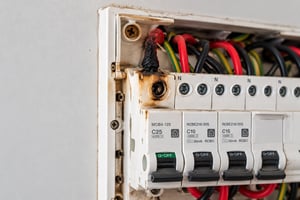
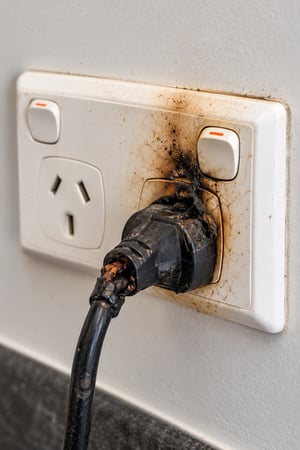
A fault that keeps coming back usually isn't bad luck — it's a symptom of an underlying issue that a one-off repair hasn't addressed. Diagnosing the root cause, rather than treating each callout in isolation, is the difference between an ongoing maintenance cost and a permanent fix.
KEY TAKEAWAYS
Recurring faults are often a sign of an underlying issue, not a series of unrelated failures.
Reviewing callout history is the fastest way to spot a pattern before committing to further repairs.
Common causes include loose connections, overloaded circuits, ageing wiring, faulty RCDs and environmental factors.
Platinum Electricians uses structured diagnostics, including thermal imaging, to identify the root cause and reduce repeat callouts.
Signs a Fault Is Recurring, Not Random
A single electrical fault can happen for many reasons. But when the same circuit, switchboard or piece of equipment keeps failing, or a repair only holds for a short time before the issue returns, that pattern points to a root cause that hasn't yet been resolved.
Common Causes of Recurring Electrical Faults
- Loose or corroded connections. Vibration, age or poor original installation can loosen connections over time, causing intermittent faults that are easy to miss on a single visit.
- Overloaded circuits. As sites add equipment over time, circuits designed for a lighter load can trip repeatedly under demand.
- Ageing wiring or components. Insulation and components degrade with age and environmental exposure, increasing the likelihood of repeat failures.
- Faulty or ageing RCDs. A safety switch nearing the end of its service life can trip inconsistently, which is sometimes misread as an unrelated fault.
- Environmental factors. Moisture, dust, heat or pest activity in switchboards and plant rooms can cause faults that reappear under certain conditions.
How to Diagnose a Recurring Fault
-
Review callout history. Look for the same circuit, location or equipment appearing repeatedly rather than treating each visit as unrelated.
- Use thermal imaging. Thermal scans can identify hot spots at connections and components before they cause a visible failure.
- Check load against circuit capacity. Confirm whether current equipment usage exceeds what the circuit was designed to carry.
- Inspect switchboards and connections directly. A physical inspection often reveals corrosion, loose terminals or ageing components that testing alone won't show.
- Test RCD condition and function. Confirm safety switches are operating within specification, not just tripping and resetting.
When to Move from Repair to Permanent Fix
If the same fault has recurred more than once, or a temporary repair is being relied on to keep a site running, it's worth escalating from a callout response to a proper diagnostic review. Addressing the root cause is typically more cost-effective over time than repeated reactive repairs, and reduces the safety and compliance risk of an unresolved fault.
Preventing Recurring Faults
A structured preventative maintenance program — covering switchboard inspections, thermal imaging, RCD testing and load reviews — helps catch developing issues before they become repeat faults. Platinum Electricians supports commercial, government, education, aged care, retail and multi-site customers with planned maintenance, compliance testing, reactive works and minor upgrades, backed by national coverage and 24/7 emergency support.
CONTACT OUR TEAM TO ARRANGE A DIAGNOSTIC REVIEW
📞 1800 518 080 📩 service@platinumelectricians.com.au
Or book a maintenance review with your Account Manager.
Frequently Asked Questions (FAQs)
If a repair only holds temporarily, or the same circuit or equipment has failed more than once, it's worth investigating the underlying cause rather than repeating the same fix.
Yes. Thermal imaging identifies abnormal heat at connections and components, often revealing developing issues before they cause a visible fault or outage.
Not always, but an unresolved recurring fault increases the likelihood of an unplanned failure and should be assessed properly rather than left to reoccur.