What Does an RCD Actually Do?
An RCD continuously monitors the electrical current flowing through a circuit. If it detects current leaking to earth — which can happen through a fault or through contact with a live part — it disconnects the power within milliseconds. This rapid response is what prevents a fault from becoming a serious injury.
Why Testing Matters
An RCD that isn't tested regularly can develop faults of its own, including mechanical wear or corrosion that prevents it from tripping correctly. The device might appear to be functioning normally right up until the moment it's actually needed — which is precisely when a failure carries the most risk. Testing confirms the device trips within the required time and current threshold, not just that it's installed.
What RCD Testing Involves
A typical RCD testing program includes:
-
Push-button testing to confirm the mechanical trip function
-
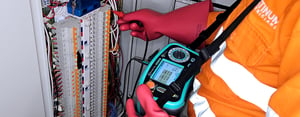
Timed testing using calibrated equipment to confirm trip current and response time meet requirements
-
Visual inspection of the device and surrounding switchboard for damage or deterioration
-
Recording of test results, including asset ID, test date, result and next due date
How Often Should RCDs Be Tested?
Testing frequency depends on the type of installation, the environment it operates in, and applicable workplace health and safety obligations. High-use or higher-risk environments generally warrant more frequent testing than low-risk, low-traffic areas. Your maintenance provider can confirm the appropriate schedule for your specific assets.
The Risk of Skipping RCD Testing
Untested RCDs create a false sense of security. A device that looks fine and is simply wired into the switchboard doesn't guarantee it will trip correctly under fault conditions. For facilities managers, this translates into safety risk for building occupants, potential non-compliance in an audit, and exposure if an incident occurs and testing records can't demonstrate due diligence.
How Platinum Electricians Helps
Platinum Electricians supports commercial, government, education, aged care, retail and multi-site customers with RCD testing as part of a broader planned maintenance and compliance program. With national coverage, ISO 9001, ISO 14001 and ISO 45001 certified management systems, and 24/7 emergency support, we help customers keep safety switches tested, documented and audit-ready.